





QUALITY OF SRI LANKAN GINGER
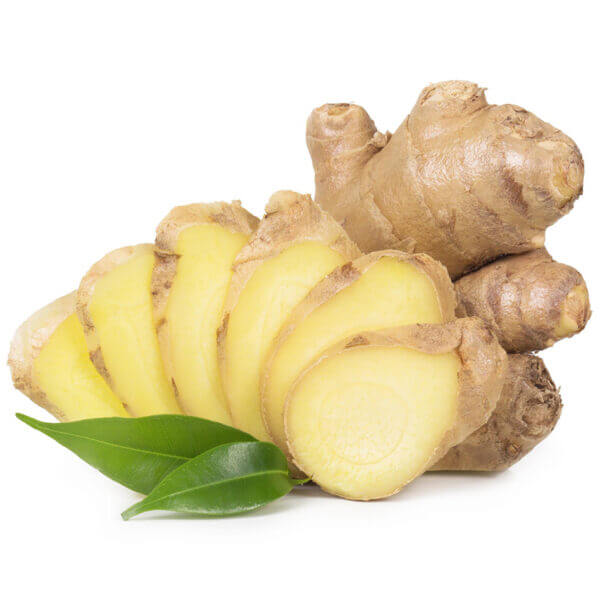
The quality of Sri Lankan Ginger is highly regarded due to its high levels of essential oils and active compounds like gingerol, which contribute to its strong aroma and potent flavor. Sri Lankan ginger is typically harvested when fully mature, ensuring that it has developed its full spectrum of flavors and therapeutic properties. The ginger is carefully selected, processed, and graded to ensure consistency and quality in the final product.
ORIGIN & HISTORY
Ginger has been cultivated in Sri Lanka for thousands of years, with its origins believed to trace back to the Indian subcontinent. In Sri Lanka, ginger has been a staple in traditional medicine and cuisine for centuries. The spice was highly valued in ancient trade routes, particularly during the spice trade era, when it was exported to various parts of the world for its culinary and medicinal benefits.
HELTH BENEFITS
- Digestive Aid: Ginger is well-known for its ability to relieve nausea, reduce indigestion, and combat bloating. It helps in stimulating the digestive system and improving overall gut health.
- Anti-inflammatory: The active compound gingerol has powerful anti-inflammatory and antioxidant effects, making ginger effective in reducing inflammation and managing conditions like arthritis.
- Immune Support: Ginger has immune-boosting properties, helping to protect against infections and enhance the body’s natural defense mechanisms.
- Pain Relief: Ginger is often used as a natural remedy for pain relief, particularly in reducing muscle pain and soreness.
- Cardiovascular Health: Regular consumption of ginger can help reduce cholesterol levels, improve blood circulation, and lower the risk of heart disease.
HARVESTING & PROCESSING
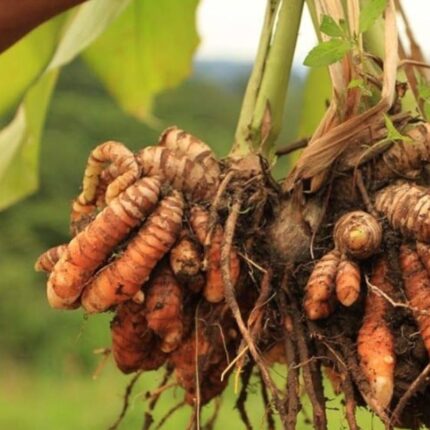
Ginger in Sri Lanka is typically grown in well-drained, fertile soil under warm and humid conditions. The rhizomes are usually harvested after 8 to 10 months when they are fully mature. Harvesting involves carefully digging up the rhizomes, ensuring they remain intact and undamaged.
Once harvested, the ginger is cleaned, sorted, and sometimes peeled before being dried or processed for various uses. The drying process is done either through sun-drying or using mechanical dryers to retain the ginger’s natural oils and flavor. After drying, the ginger is graded based on size, color, and quality before being packaged for the market.



Reviews
There are no reviews yet.