


QUALITY OF SRI LANKAN CLOVES
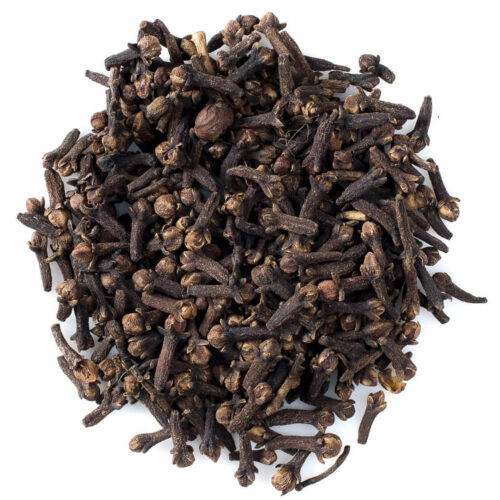
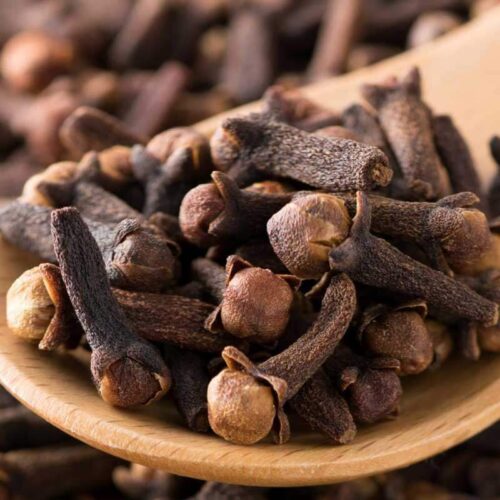
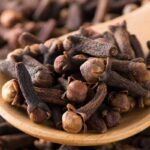
Sri Lankan cloves are renowned for their exceptional quality, characterized by their full, plump buds and rich, aromatic scent. The high quality is attributed to the careful cultivation and selective harvesting of the buds. The cloves are meticulously dried and processed to preserve their natural oils and robust flavor, ensuring a superior product in the market.
ORIGIN & HISTORY
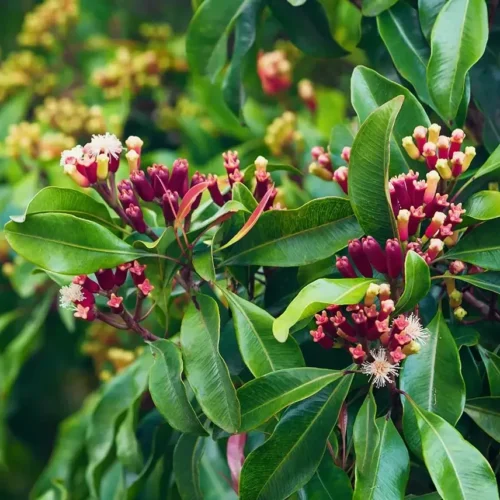
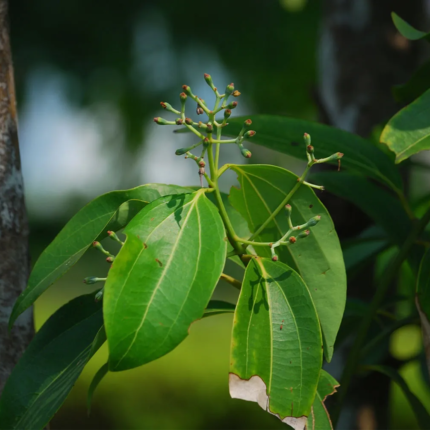
Cloves are native to the Maluku Islands (Spice Islands) in Indonesia, but Sri Lanka has been a significant producer since ancient times. The clove tree, Syzygium aromaticum, thrives in Sri Lanka's tropical climate, particularly in the central highlands. Historically, cloves were highly valued in trade, contributing to the development of global spice routes. Sri Lankan cloves were traded extensively through Europe and Asia, and their popularity has continued due to their superior quality.
HELTH BENEFITS
- Antimicrobial Properties: Cloves have natural antimicrobial properties that help combat bacteria and infections, promoting oral health and overall well-being.
- Digestive Aid: They aid in digestion and can help alleviate gastrointestinal issues such as bloating, gas, and indigestion.
- Anti-inflammatory: Cloves contain eugenol, a compound with strong anti-inflammatory properties that can help reduce inflammation and pain.
- Immune Support: The spice boosts the immune system due to its high levels of antioxidants and essential nutrients, including vitamins and minerals.
- Pain Relief: Cloves have been traditionally used as a natural remedy for toothache and other forms of pain due to their analgesic properties.
HARVESTING & PROCESSING
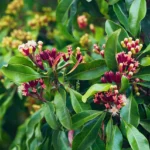
Cloves are harvested from the clove tree’s flower buds before they bloom. The buds are carefully picked by hand, typically when they turn pink. After harvesting, the buds are dried to develop their characteristic dark brown color and potent aroma. The drying process is crucial as it enhances the flavor and preserves the essential oils within the buds.




Reviews
There are no reviews yet.